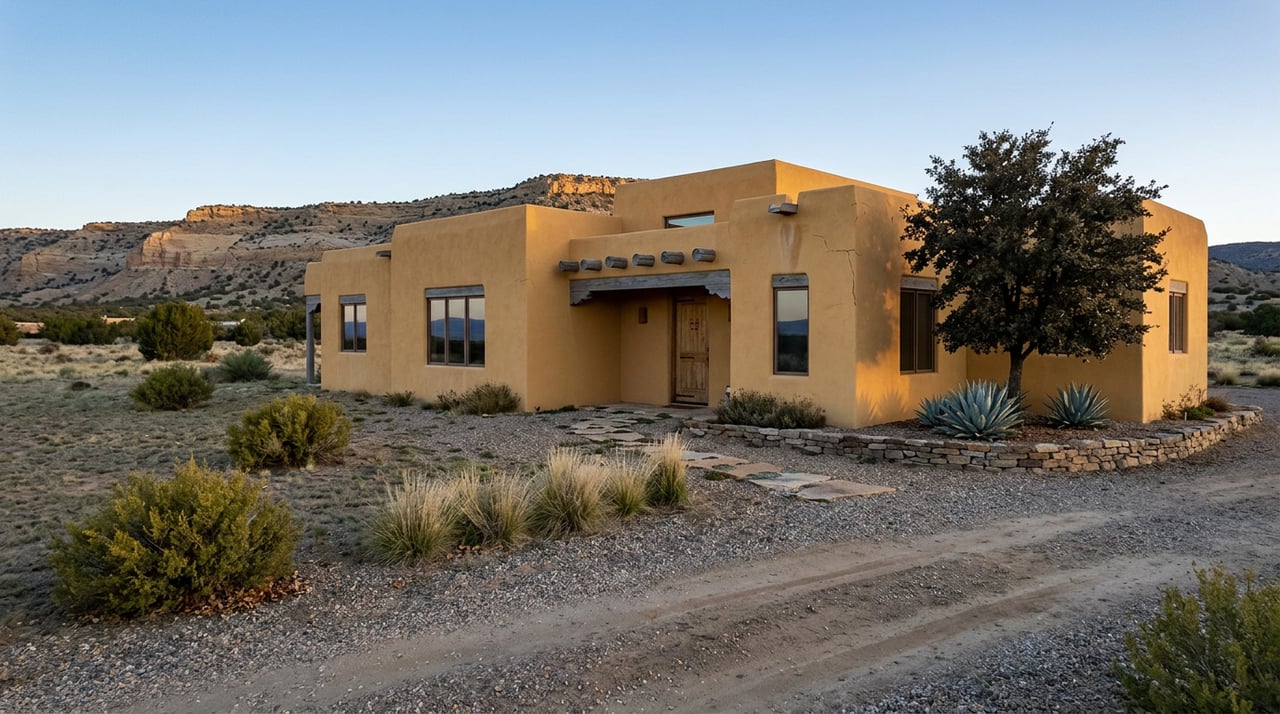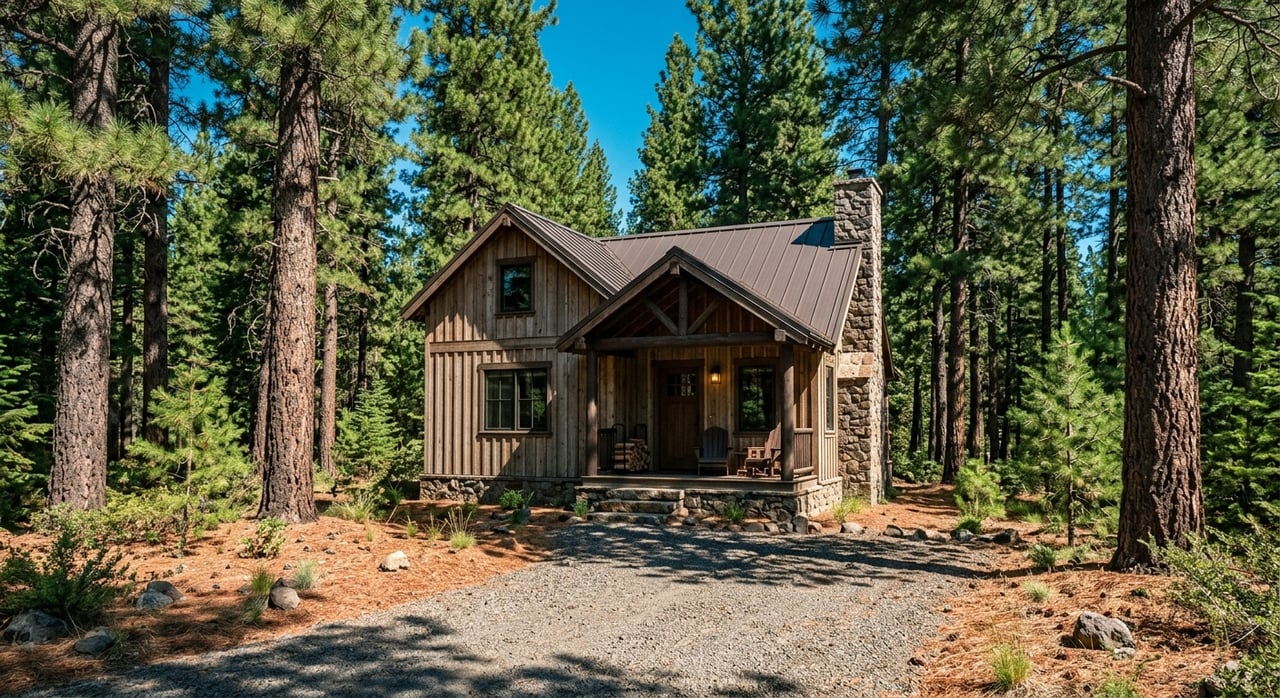
Thinking about buying land or a cabin near Flagstaff? It can be an exciting move, but it also comes with more moving parts than many buyers expect. If you want mountain air, trees, space, or a simple getaway, you need to know that two similar-looking properties can have very different rules, costs, and building options. This guide will help you focus on the details that matter most before you buy. Let’s dive in.
Why Flagstaff-Area Property Takes Extra Care
Buying near Flagstaff is not just about finding a pretty parcel or a cozy cabin. In this area, jurisdiction matters, and the rules can change depending on whether the property is inside Flagstaff city limits or in unincorporated Coconino County.
Inside the city, the City of Flagstaff zoning code applies. Outside the city, Coconino County rules shape what you can do with the land, including land division, access, utilities, building permits, and wildfire-related requirements. The county also notes that water is limited and that rural areas can vary a lot from one parcel to the next.
Start With Buildability
Confirm the parcel is a legal build site
One of the biggest mistakes buyers make is assuming a parcel is buildable because it has an assessor parcel number or looks large enough on a map. In unincorporated Coconino County, the county says some assessor parcels are not legal build sites because they are too small for the zoning district or were created without proper approvals.
If you are planning to build a cabin, home, garage, or other structure, verify that the parcel is actually entitled for development. The county also requires building permits in all unincorporated areas, so you want clarity on what the property legally supports before you close.
Check zoning and allowed uses
Zoning controls what can be built and how the land can be used. That includes a future cabin, an accessory building, or uses that may need conditional approval.
Coconino County directs buyers to review the Parcel Viewer zoning layer and the zoning ordinance to confirm permitted uses. This step is especially important if you want flexibility later, such as adding another structure or changing how you use the property.
Be careful with land splits
If you are buying with the idea of dividing land later, do not assume that will be simple. The county says a land division permit is required outside city jurisdictions, and a planned split can still fail to create development-entitled parcels if the proper planning process is not followed.
That means future plans should be checked early, not after closing. A parcel that seems like a smart long-term play may not work the way you expect.
Know the Rules for Camping and Temporary Use
Some buyers picture using the land right away with a tent or RV while they plan their build. In Coconino County, that can be more limited than people realize.
The county says tent camping on private land is prohibited except in permitted campgrounds. Temporary RV use may require a zoning permit and can be limited to 120 consecutive days per year. The county also says vacation-rental habitation must be in a permitted dwelling, not a tent, shed, yurt, or similar non-habitable structure.
Access Matters More Than the Listing Photos
Legal access and physical access are different
A dirt road on a map does not automatically mean you have proper access. County ordinance language says lots need legal and physical access, and final plats are not approved until legal access is secured.
If access crosses someone else’s land, that access needs to be documented. Before you buy, review easements and title carefully so you know how you actually get to the property.
Rural roads can change your experience
Road conditions are a major part of rural buying near Flagstaff. Coconino County maintains 1,228 miles of roads, and 978 of those miles are unpaved. Many rural properties also rely on private roads that the county does not maintain.
The county says it is highly unlikely that an existing unpaved road will be paved in the foreseeable future. That can affect daily use, winter travel, construction planning, and long-term maintenance costs.
Construction access can be a deal-breaker
Road quality does not just affect convenience. The county says it has standards for access roads before combustible materials can be taken to a vacant parcel, and emergency response can be slower or more expensive in outlying areas, especially if the property is not in a fire district.
If you plan to build, bring in materials, or use the property seasonally, access should be part of your due diligence from the start.
Survey, Boundaries, and Easements
Before closing, it is smart to verify the exact boundaries of the property. Coconino County notes that fences are not reliable property-line markers and that only a registered land surveyor can confirm corners.
You should also read the title report closely and confirm any easements that affect access, utilities, or neighboring use. The county also reminds buyers that CC&Rs and HOAs may limit how a property is used, and future development nearby can change views and surrounding conditions.
Floodplain and drainage deserve attention
Even in mountain country, flooding can be a real issue. The county recommends getting a Floodplain Status Report and notes that flood-prone areas are not always fully mapped.
If a parcel is in a flood hazard area, the lowest habitable floor must meet FEMA base-flood elevation rules plus county freeboard requirements. This is one more reason to gather floodplain and elevation information before settlement, not after.
Utilities Can Be the Biggest Surprise
Do not assume power is nearby
Utility access is one of the most common rural property surprises. The county says water, sewer, electric, and telephone service may be unavailable or less reliable in rural areas, and repairs can take longer and cost more.
The county is also clear that electrical service and equipment are not permitted on vacant land by themselves. Power is only allowed to serve structures with permanent foundations.
Water planning should happen early
Water is a major issue in Coconino County. The county’s comprehensive plan says the county is not a water provider, and water hauling is common in unincorporated areas.
Other options may include wells, shared wells, or private systems, but well permits must come from the Arizona Department of Water Resources and county Environmental Quality. If you are comparing parcels, water planning should be one of your first questions.
Septic often comes before building
If sewer is not available, you will likely need an approved septic system or other treatment process. Coconino County Environmental Quality handles conventional septic and some alternative onsite systems up to 3,000 gallons per day.
The county says a septic permit must be issued before a building permit is issued. For buyers hoping to move quickly, this timeline matters.
Weather and Natural Hazards Are Part of the Decision
Wildfire risk is real
Forested land can be beautiful, but it can also come with higher wildfire risk. County guidance says forested areas are a desirable amenity, yet they can also increase the risk of catastrophic forest fire.
In unincorporated county areas, the Wildfire Defense Ordinance applies on private property. The rules use fire stages that become more restrictive from Stage 1 to Stage 3, and the county notes that these changes can happen without notice.
Snow, slope, and grading can affect use
Mountain terrain creates other practical concerns. The county says north-facing slopes and canyons can hold large amounts of snow, which can make access difficult and expensive.
The county also warns that steep slopes can slide and that improper grading can reroute drainage. A parcel that looks great in dry weather may feel very different during snow season or monsoon conditions.
Flash flooding is still possible
Flagstaff-area buyers sometimes focus on snow and forest and overlook flood concerns. The county says a dry wash can quickly turn into a river, flood-prone areas may not all be mapped, and flood insurance can be expensive.
The county also notes that it typically does not provide equipment or labor to protect private property from flooding. That makes site review and drainage understanding especially important.
Cabins, Manufactured Homes, and Other Structures
Not every structure type is treated the same. Coconino County distinguishes park models and RV-style units from manufactured homes, modular homes, and site-built dwellings.
The county says manufactured homes are considered year-round dwellings when connected to required utilities. It also notes that manufactured or mobile home installation requires a permit, and homes built before June 15, 1976 need State Office of Manufactured Housing rehabilitation approval.
If you are buying an existing cabin or placing a home on land, structure type should be confirmed early. It can affect permits, utility connections, and financing options.
Financing Is Often Different for Land and Cabins
A cabin with a qualifying permanent dwelling is usually a different financing case than bare land. The USDA Rural Development Single Family Housing Guaranteed Loan Program can offer 100% financing to eligible low- and moderate-income borrowers buying or building a single-family dwelling in an eligible rural area, but the home must be the borrower’s primary residence and existing dwellings must meet HUD standards.
The same USDA guidance says there is no set acreage limit, although acreage must be common for the area. Still, bare land often calls for different solutions, such as land loans, construction loans, or seller financing, rather than standard home financing.
A Smart Due Diligence Checklist
Before you move forward on land or a cabin near Flagstaff, make sure you review the basics in writing and confirm them with the right county or city source.
Here is a practical checklist to keep in mind:
- Confirm whether the property is inside Flagstaff city limits or in unincorporated Coconino County
- Verify zoning and allowed uses
- Confirm the parcel is a legal build site
- Review legal and physical access
- Read the title report and easements carefully
- Order or review a survey
- Check road maintenance responsibility
- Ask about electric, water, sewer, septic, and phone availability
- Review septic records if available
- Request floodplain status and elevation information if relevant
- Understand wildfire restrictions and road-access standards
- Confirm any HOA or CC&R limits
- Match financing to the actual property type and intended use
Buying land or a cabin near Flagstaff can be a great fit if you go in with clear eyes and a local, practical plan. The right property is not just scenic. It is usable, legally sound, and aligned with how you want to live, build, or invest. If you want grounded guidance on Northern Arizona property decisions, connect with Adobe Group Realty.
FAQs
What should you check before buying land near Flagstaff?
- You should confirm jurisdiction, zoning, legal buildability, access, utilities, septic options, easements, floodplain status, and wildfire-related requirements before closing.
Can you camp on private land in Coconino County before building?
- Tent camping on private land is prohibited except in permitted campgrounds, and temporary RV use may require a zoning permit and can be limited to 120 consecutive days per year.
Can you get electrical service on vacant land near Flagstaff?
- In unincorporated Coconino County, electrical service and equipment are not permitted on vacant land alone. Power is allowed to serve structures with permanent foundations.
Do rural parcels near Flagstaff always have water and sewer service?
- No. The county says rural utility service may be unavailable or less reliable, water hauling is common in unincorporated areas, and if sewer is unavailable, an approved septic system or other treatment process is required.
Does a road shown on a map guarantee access to a Flagstaff-area parcel?
- No. Buyers should confirm both legal and physical access, and any off-site access through other property should be documented.
Are all parcels near Flagstaff buildable?
- No. Coconino County says some assessor parcels are not legal build sites because of zoning size limits or because they were created without proper approvals.