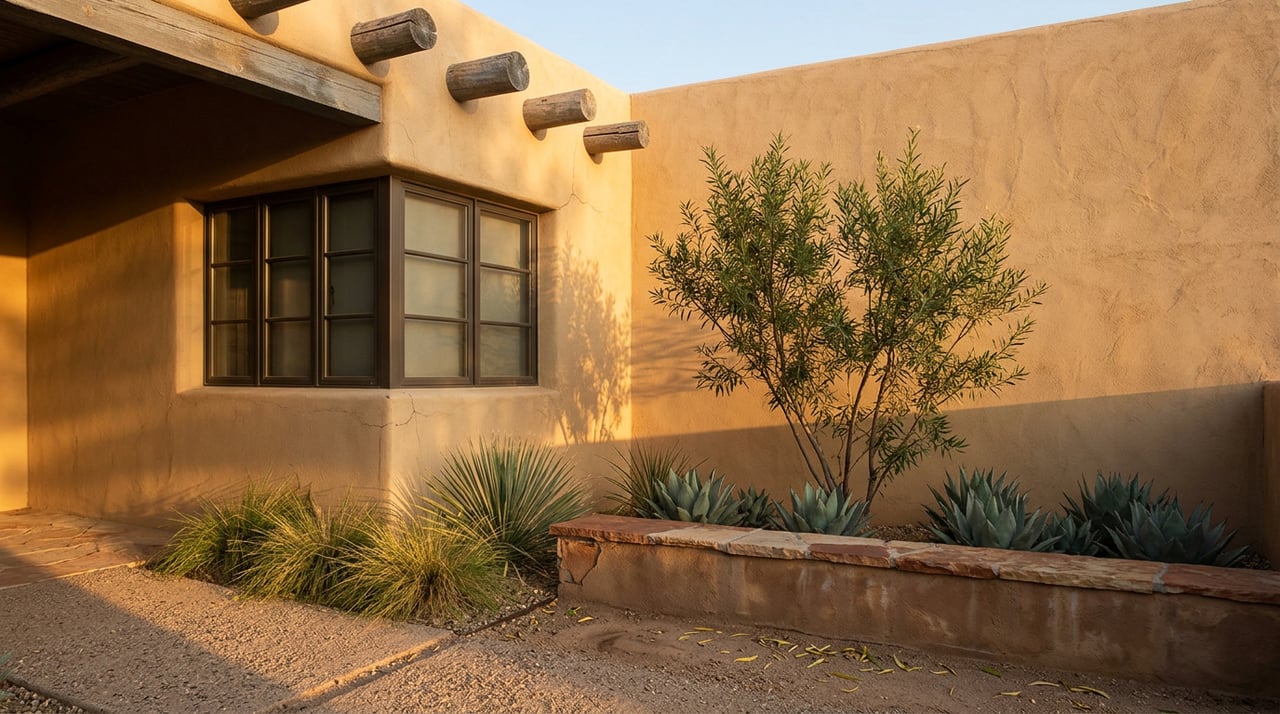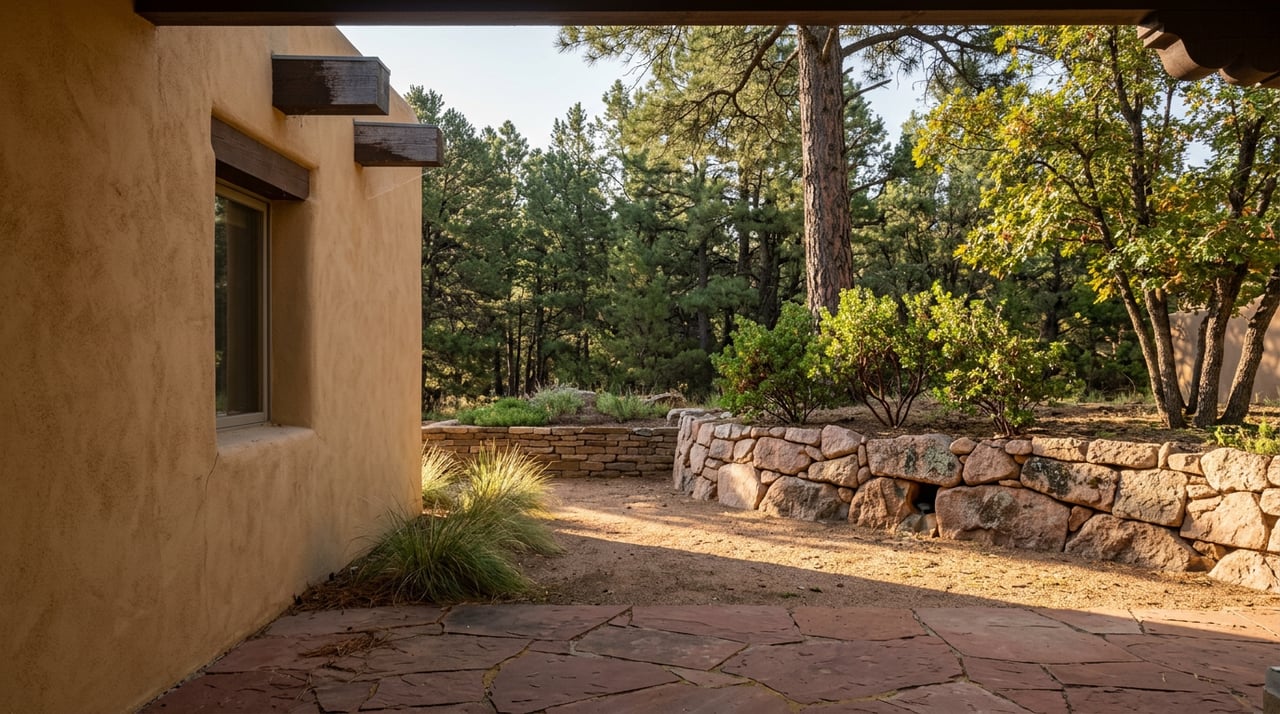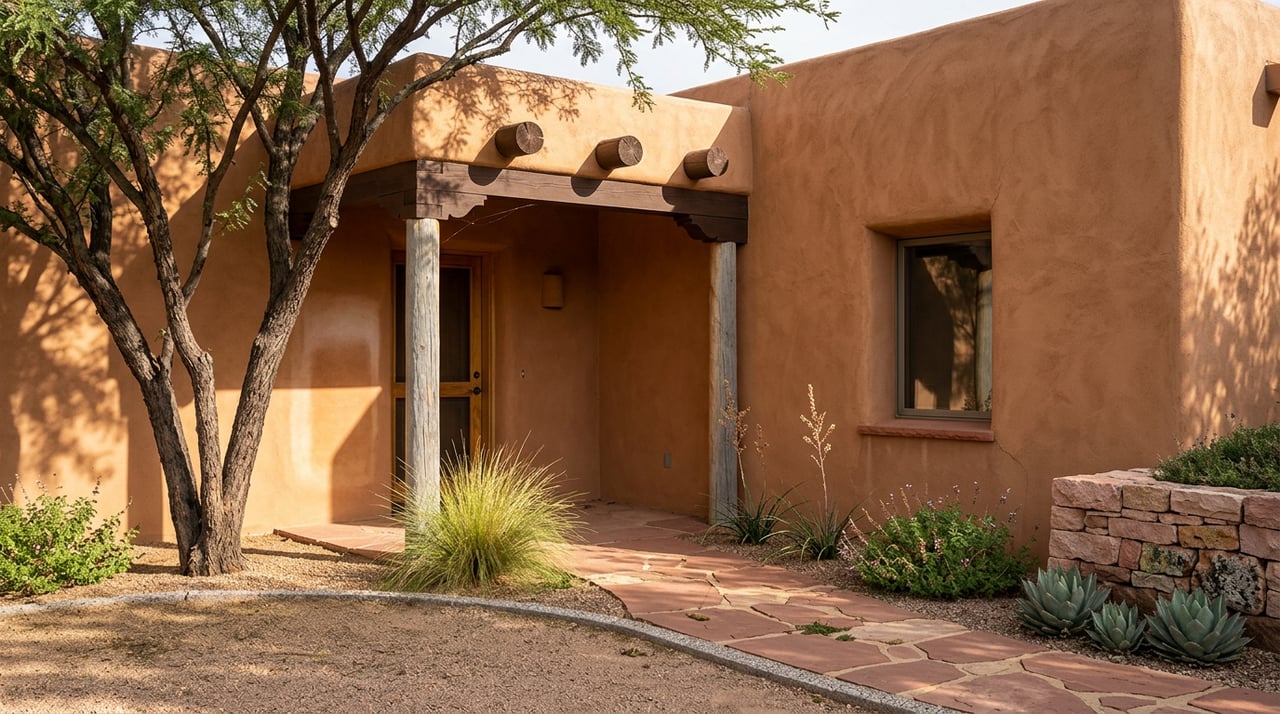
A seller in Old Town listed her three-bedroom bungalow this spring at $459,000, a number that matched what a nearly identical house two streets over closed for in January. Six weeks later she had one offer, $30,000 under ask, with a request for a home warranty and $5,000 toward closing costs. Her agent's explanation wasn't that the house had a problem. It was that the buyer had spent the previous weekend at a model home on Mesquite Hills Drive, comparing her 1948 cottage to a brand-new three-bedroom priced in the low $360s with a rate buydown already built in.
That comparison is happening more than most Cottonwood sellers realize, and it explains a number that has been sitting in local market reports all year without much interpretation: the gap between what Cottonwood homes list for and what they actually sell for has been running around 14 percent.
The Spread That's Doing the Talking
The most recent detailed local breakdown, covering closings through May 2026, put the median single-family sale price at $395,000 while median list price held near $449,000. Active inventory sat between 175 and 215 homes, days on market stretched to 60 to 75, and sellers were closing at a sale-to-list ratio of 97.4 percent, but only after roughly half of all listings took a price cut first. Average concessions worked out to about $11,500 per closing.
National trackers don't all agree on the exact shape of the month. Redfin's November 2025 figures showed a median sale price closer to $392,000 with homes moving in about 32 days. Movoto's April 2026 figures showed a median of $444,990 with homes sitting 121 days, up from 74 days the year before. A separate 30-day snapshot from Orchard put the median at $385,000. Different data windows, different weighting of new construction versus resale, different answers.
What doesn't move, across every source, is the direction of the gap. List prices are consistently landing well above what buyers are actually willing to pay, and sellers are consistently making up the difference with concessions rather than with a lower number on the sign. That's not typical late-cycle softness. It's a specific response to a specific new competitor.
Who Moved Into the Neighborhood
In June 2025, Century Complete, the production-home brand of Colorado-based Century Communities, bought 26 finished lots in the Mesquite Hills subdivision for $2.418 million, marking the builder's first entry into the Cottonwood market. The deal, brokered by Land Advisors Organization, covered lots roughly 50 by 100 feet in Mesquite Hills' Phase 2, located on Mesquite Hills Drive just west of Mingus Avenue. Century Complete agreed to acquire the rest of the community's build-out in a phased takedown, an additional 35 finished lots and 199 partially improved lots across Phases 3 through 6, bringing the total to 260 new single-family homesites once the community is fully built.
A model home showcasing the single-story Sterling plan opened to the public on August 2, 2025, and the community has been actively selling since. Local market reporting through mid-2026 has called it the first organized national-builder product the Verde Valley has seen in years, which is a meaningful distinction. Cottonwood has had spec builders and small subdivisions before. It hasn't had a publicly traded national homebuilder running a standardized product line, a standardized price sheet, and standardized financing incentives at scale, until now.
The floor plans on offer are straightforward:
- Sterling — the community's flagship single-story plan, the model shown at the August 2025 grand opening
- Alamar — approximately 1,290 square feet, 3 bedrooms, 2 bathrooms, 2-bay garage
- Verbena — the third ranch plan in the current lineup
All three come with Whirlpool stainless appliances, granite or quartz countertops, white cabinets, and Shaw luxury vinyl plank flooring as standard, not upgrades. Pricing starts in the low $360s.
Why a $360,000 New Build Changes the Math for a $475,000 Old Town Bungalow
Here's the part that doesn't show up in a median-price headline. A production builder doesn't just sell a house. It sells a financed monthly payment, and it controls both sides of that equation. Century Complete's online buying platform runs through its affiliate lender, and national builders in this position routinely use rate buydowns, closing cost credits, or appliance package vouchers to make the effective cost of ownership look lower than the sticker price suggests, without technically discounting the home itself.
A resale seller in Old Town can't do that. She doesn't have an affiliated lender. She can offer a credit at closing, and increasingly she has to, but she's negotiating from a sticker price that has to compete against a new home's effective price, which is often quietly lower than its list price. That mismatch is a reasonable explanation for why Cottonwood's concessions have become so routine rather than sellers simply lowering asking prices to begin with. Cutting the list price is a public signal that spooks other buyers watching the listing. Offering a credit at the closing table isn't. Sellers are choosing the second option because it's less visible, even though the math works out the same for the buyer.
None of this means an Old Town cottage and a Mesquite Hills ranch home are the same product. They aren't. One sits on a walkable block near Main Street's more than 60 businesses, close to the Old Town Center for the Arts and the Verde Valley Wine Trail, often on a smaller lot with mature trees and a century of character. The other is a new-build ranch plan on a standard subdivision lot near SR-89A with a 10-year structural warranty and zero deferred maintenance. Different buyers want different things. But a buyer cross-shopping both, which is exactly what's happening on weekends across Cottonwood right now, is doing real arithmetic between "no maintenance and a rate buydown" and "character and no rate buydown." The resale side of that equation has to work harder than it used to.
What This Means If You're Comparing Neighborhoods, Not Just Prices
The pressure isn't evenly distributed. Local pricing bands cluster by subdivision, and each one sits at a different distance from Mesquite Hills' new-construction floor.
Three-bedroom resale inventory in Cottonwood typically runs $345,000 to $475,000, concentrated in Verde Village, Pronghorn Ranch, and Old Town Cottonwood. Verde Village in particular is one of the city's largest residential areas, a multi-phase subdivision with a voluntary property owners association, no mandatory HOA dues for most owners, Verde River access, and Mingus Mountain views. That's the price band sitting closest to Mesquite Hills' low-$360s new construction, which means it's also the band feeling the most direct comparison pressure. A three-bedroom resale priced at the top of that range, close to $475,000, is now being cross-shopped against a brand-new home for over $100,000 less.
Four-bedroom resale homes, running $425,000 to $625,000 and concentrated in subdivisions like Cottonwood Ranch and Grey Fox Ridge, sit further from that comparison. Larger four-bedroom homes with Mingus Mountain views and acreage frequently break $600,000, a segment where new-construction ranch plans simply don't compete on size or lot, and where the list-to-sale gap likely has less to do with Mesquite Hills and more to do with ordinary seasonal negotiation.
If you're selling a three-bedroom resale home in Cottonwood this year, the relevant question isn't just what similar homes sold for last quarter. It's what a buyer touring your listing saw the weekend before, and increasingly, that's a model home on Mesquite Hills Drive with granite countertops and a rate already bought down.
A Few Questions Worth Asking Before You List
Does new construction actually hurt resale values long-term, or just negotiating leverage right now? The two aren't the same thing. A median sale price of $395,000 in May 2026 was still up roughly 3.9 percent from the same point the year before, so values in aggregate haven't fallen. What's changed is how much room buyers expect to negotiate before they'll sign, and that pressure is concentrated in the price bands closest to what Mesquite Hills is building.
Should a resale seller try to match a builder's incentives? You can't replicate an affiliated lender's rate buydown, but you can price with the buyer's full cost of ownership in mind rather than just the comps. A seller who understands that a buyer is mentally comparing her all-in monthly payment against a subsidized new-construction rate is in a better position to structure a competitive credit than one who assumes the comp sheet tells the whole story.
Is this pressure specific to Cottonwood, or is it happening everywhere in the Verde Valley? The Century Complete entry is specific to Cottonwood. Mesquite Hills is the only site where a national production builder has committed to 260 homesites in the area, so the direct comparison effect described here is a Cottonwood dynamic first, one other Verde Valley communities aren't yet contending with in the same way.
If you're weighing a listing against this market, or trying to figure out what a Mesquite Hills alternative would actually mean for your specific price point, Adobe Group Realty has been pricing homes across Cottonwood's subdivisions long enough to know which comps still hold and which ones don't. Get Your Free Market Report and find out where your listing actually stands.