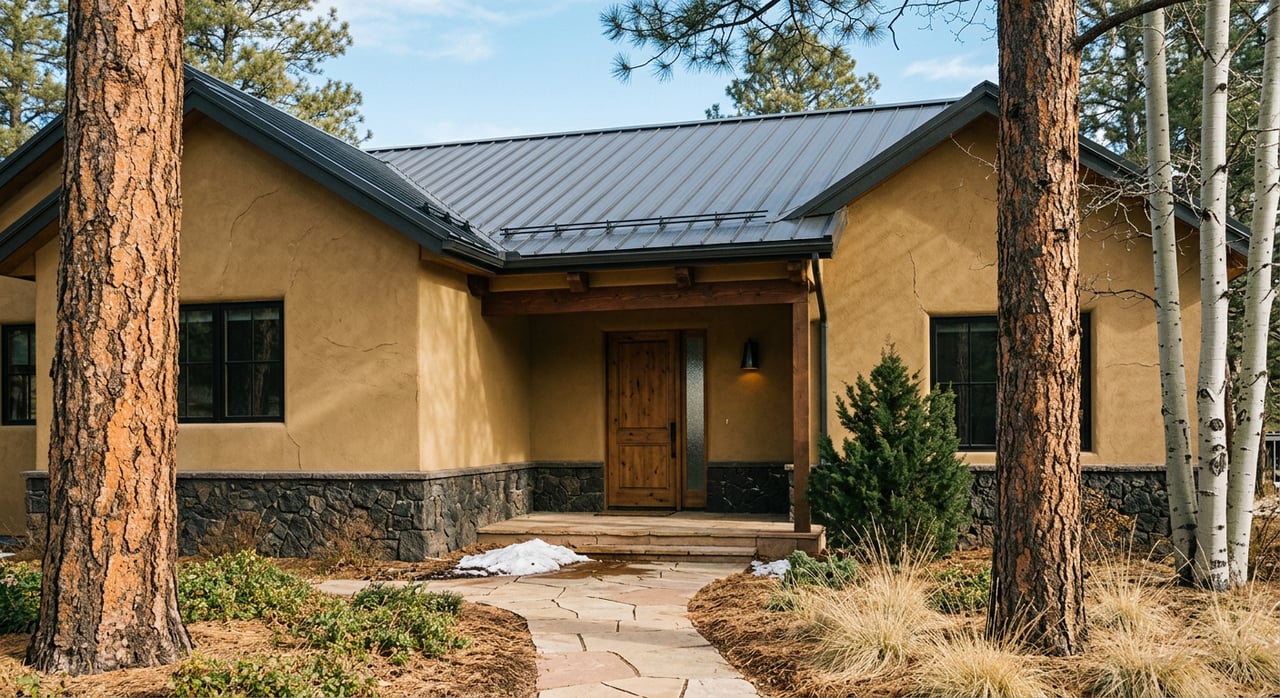
Thinking about trading saguaros for tall pines? Moving from Phoenix to Flagstaff brings a real change in climate, housing, and daily routines. You might be excited for cooler summers and mountain views, but you also want a clear picture of costs, neighborhoods, and what life actually feels like at 7,000 feet. In this guide, you’ll learn how housing prices compare, what utilities and maintenance to budget for, how commutes and services differ, and which seasonal habits make life easier up north. Let’s dive in.
Flagstaff’s climate vs. Phoenix heat
At about 7,000 feet, Flagstaff has a true mountain climate. Summers are mild with many days in the 70s and 80s. Winters bring regular storms and notable snowfall, which shapes everything from how you drive to what kind of roof maintenance you plan. Long-term weather normals from NOAA confirm cooler temperatures year-round and a real winter season in Flagstaff compared with the Valley’s desert heat. You can review monthly averages and snowfall in the Pulliam Airport climate normals from the National Centers for Environmental Information.
- View monthly climate normals for Flagstaff Pulliam Airport from NOAA’s NCEI: Flagstaff climate normals
A few practical takeaways:
You will likely use less air conditioning and more heating. Plan for a different utility profile than Phoenix.
Some people notice altitude at first. Expect a short adjustment period for outdoor activities.
Snow management matters. The National Weather Service’s Flagstaff office shares winter guidance, plowing updates, and safety tips that help you plan your routines.
NWS office updates and seasonal guidance: Weather Service Flagstaff
Housing market snapshot
Flagstaff’s housing market is not a simple price drop from Phoenix. Major housing trackers report typical home values in the mid to high six figures, with recent measures often landing in the mid $600,000s to low $800,000s depending on the source and month. Exact values vary by neighborhood and home type. If you are pricing a specific property, ask your agent to pull fresh MLS comps and recent sold data rather than relying on headlines.
Rents also run higher than many expect for a smaller city. Market trackers often show average rents roughly in the $1,700 to $2,200 range by bedroom count and proximity to campus or downtown. Demand near Northern Arizona University (NAU) and central neighborhoods tends to be strong, which can influence both rents and turnover.
Flagstaff’s housing stock is varied:
- Downtown and historic districts have older bungalows and craftsman homes.
- Neighborhoods around NAU include student housing and multifamily options.
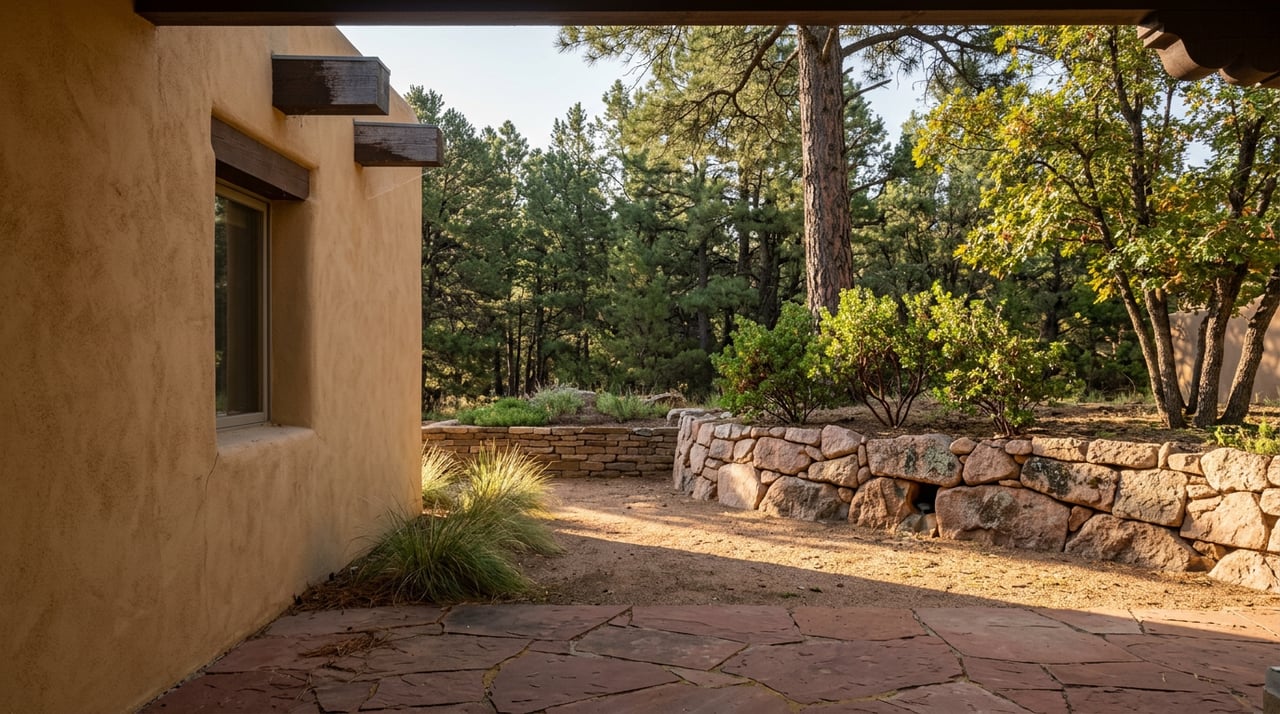
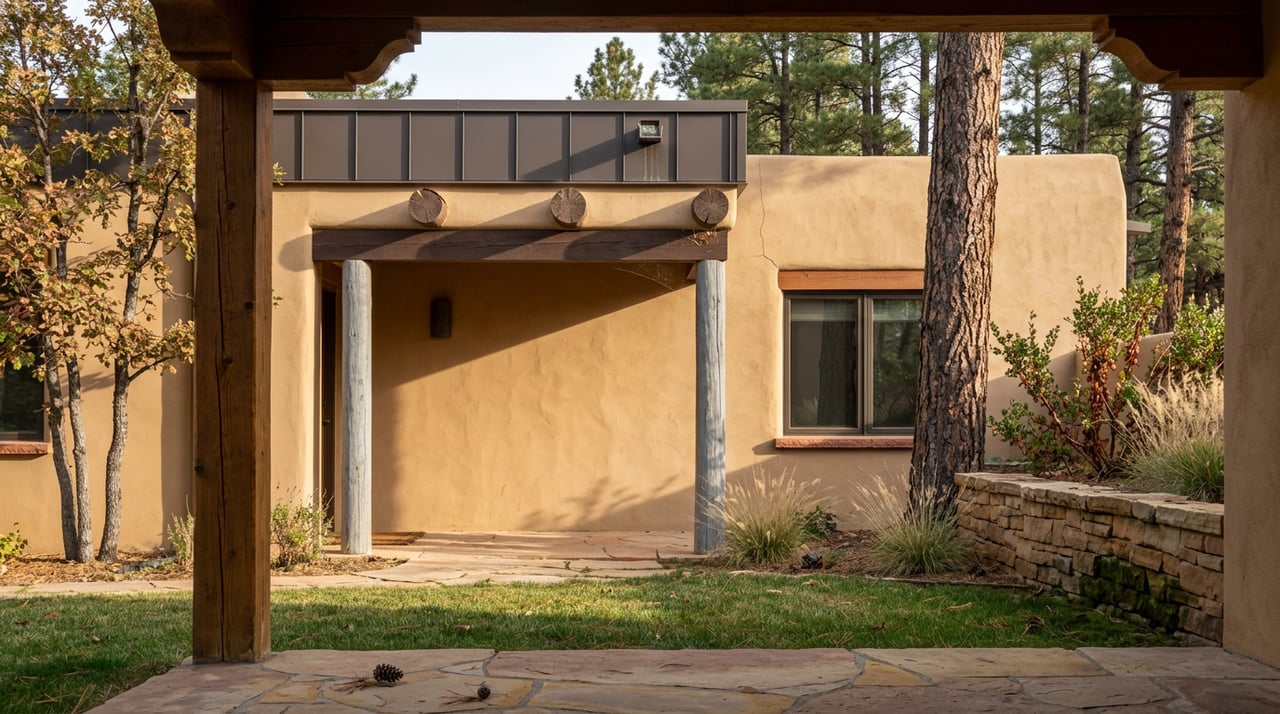
- Wooded single-family areas and cabin-style homes are common at the city’s edges and in nearby communities.
- Rural properties on larger lots often rely on private wells and septic systems, and some use propane rather than natural gas.
On the policy front, the City is pushing supply and affordability efforts. The 10-Year Housing Plan guides zoning and funding decisions, and the latest annual report outlines new projects and targets. If you are watching future inventory or workforce housing initiatives, this plan is key background.
- City program tracker: Flagstaff 10-Year Housing Plan Annual Report
Neighborhood primer for Phoenix movers
Every buyer’s needs are different, but here are common areas movers consider. Always confirm utilities, road access, and any winter or wildfire factors during due diligence.
Downtown Flagstaff and NAU area
If you like walkability to restaurants, events, and campus, central neighborhoods may suit your routine. Housing includes historic single-family homes, small multifamily, and student-focused properties. Seasonal rental demand is shaped by the university calendar, which can influence pricing and availability.
Doney Park and rural lots
Northeast of Flagstaff, Doney Park is known for larger lots and a more open, rural feel. Many properties use private wells, septic systems, and propane. This setup affects inspections, maintenance budgets, and winter access planning. Commute times into central Flagstaff are reasonable for many residents, but longer than in-town neighborhoods, especially in snow.
Kachina Village and south-side communities
South of the city, Kachina Village offers a wooded setting with a mix of home types. Many buyers like the forest setting and easy access to I-17. In winter, confirm plow routes and driveway grades during inspections, and learn which utility providers serve each street.
Costs that change: heating, utilities, and maintenance
Think of Flagstaff as flipping your energy script. You will likely run your heater much more than your A/C. Expect to budget for:
- Heating fuel. Some properties have natural gas, but many rural homes use propane. Ask for recent utility statements and understand tank ownership or lease terms.
- Winter equipment. Snow shovels, roof rakes, a snow blower, and sometimes professional services for removal or ice management are common purchases.
- Septic and well care. For properties outside city utilities, schedule full inspections during escrow and plan for ongoing maintenance.
- Insulation and weatherization. Good sealing and insulation can reduce winter bills and improve comfort.
NOAA climate data shows why this shift happens. Flagstaff’s winter temperatures and snow totals point to more heating days and a true cold season, while Phoenix emphasizes cooling costs. Reviewing local climate normals helps you forecast monthly budgets and adjust your HVAC expectations.
- Climate reference: Flagstaff climate normals
Commuting and regional connectivity
Inside Flagstaff, average commute times are typically in the mid-teens of minutes according to Census-based profiles. Your actual drive depends on your neighborhood and whether you live in rural areas like Doney Park.
- City profile with commute stats: Census Reporter: Flagstaff, AZ
Flagstaff to Phoenix is a commitment. The drive is roughly 140 to 150 miles via I-17, which is commonly 2 to 2.5 hours in normal conditions. Traffic, construction, or winter weather can add time, so most people do not plan a daily commute. Many residents visit the Valley on weekends or for occasional business instead.
- Route overview and distance details: Directions and travel times
Local transit can simplify in-town trips. Mountain Line runs fixed routes within Flagstaff and provides seasonal shuttles, including service to Arizona Snowbowl during peak times. Check current maps and schedules before relying on any route.
- Schedules and maps: Mountain Line Transit
Seasonal routines: winter driving and timing your move
Winter driving is part of life at elevation. Invest in quality all-weather or dedicated snow tires, and consider all-wheel drive if your route includes hills or unpaved stretches. After storms, plan for longer travel times and watch for plows. If you are moving in winter, schedule movers with weather buffers and keep an eye on NWS updates for the I-17 corridor.
- Storm updates and safety tips: NWS Flagstaff office
If you are buying a home with a steep driveway or shaded roof, ask your inspector about snow load patterns and ice dams. In many neighborhoods, having a reliable snow-removal plan is as important as landscape care in Phoenix.
Wildfire outlook and insurance basics
Flagstaff is surrounded by ponderosa pine forest, which creates a different set of seasonal risks than Phoenix. Regional wildfire conditions can influence insurance availability and premiums, particularly in the wildland-urban interface. Before you buy, ask your insurance agent for a quote on the specific property, review any local fire-district requirements, and plan for defensible space around the home.
- Regional context for Flagstaff and Northern Arizona: Flagstaff overview and resources
Schools and university influence
Flagstaff Unified School District serves most city neighborhoods. For school boundaries, transportation, and district information, review the district’s resources directly.
- District details: Flagstaff Unified School District
Northern Arizona University is also a major anchor for the city. Enrollment runs in the tens of thousands across campuses, which supports local jobs and adds steady rental demand near campus. This university influence shapes seasonality in some neighborhoods.
- NAU enrollment snapshot: NAU Quick Facts
Property taxes and affordability context
Arizona’s effective property tax rates are low to moderate compared with national medians. Typical effective rates in Arizona often fall around 0.4 to 0.5 percent, with local variation by county and valuation. Your actual tax bill depends on assessed value, exemptions, and local levies, so ask for parcel-level estimates during your search.
- State and county comparisons: Property tax data by state and county
Quick checklist for Phoenix-to-Flagstaff planners
- Visit in at least two seasons. Experience summer evenings and a winter morning, and test the I-17 drive both ways.
- Confirm utilities early. If you are eyeing rural areas, plan for septic and well inspections plus propane logistics.
- Budget for winter gear. Set aside funds for tires, snow removal, and a few roof and driveway tools.
- Check commute and access. If you want short drives, map your route to NAU, Flagstaff Medical Center, or your workplace.
- Verify current market data. Ask an agent for recent MLS solds and neighborhood-level rent snapshots before you decide.
- Review city housing policy. Flagstaff’s 10-Year Housing Plan can shape future supply and project locations.
Useful resources as you plan:
- Road and route overview: Directions to and from Flagstaff
- Local transit updates: Mountain Line Transit
- Weather and storm info: NWS Flagstaff
- City housing initiatives: 10-Year Housing Plan report
Get local guidance you can trust
Moving from Phoenix to Flagstaff is exciting, but the high-country market rewards good preparation. You will weigh heating costs against lower A/C use, compare neighborhood access and utility setups, and plan for winter routines alongside summer trail time. A steady local advisor can help you match property type to your lifestyle and budget, and connect you with inspectors, insurance pros, and contractors who understand mountain homes.
If you are exploring Northern Arizona, our broker-led team can help you navigate homes, land, and small investment options with clear, practical advice. To talk through your plan or request current neighborhood data, reach out to Adobe Group Realty. Get Your Free Market Report.
FAQs
How does Flagstaff’s climate compare to Phoenix heat?
- Flagstaff is much cooler in summer and has a true winter with regular snowfall, while Phoenix has long, hot summers; NOAA climate normals for Flagstaff confirm lower temperatures and significant winter snow.
Is daily commuting from Flagstaff to Phoenix realistic?
- Not for most people. The drive is about 140 to 150 miles via I-17 and commonly takes 2 to 2.5 hours in normal conditions, so trips are usually occasional rather than daily.
Are Flagstaff home prices lower than in Phoenix?
- Not necessarily. Major trackers place typical Flagstaff values in the mid to high six figures, often in the mid $600,000s to low $800,000s; verify a specific property with fresh MLS comps.
What housing types are common in Flagstaff?
- You will find historic homes near downtown, student-oriented housing around NAU, single-family homes in wooded neighborhoods, and rural properties with wells, septic, and sometimes propane.
What should I budget for winter in Flagstaff?
- Plan for heating fuel, snow removal tools or services, possible roof and driveway ice management, and winter tires; adjust your budget away from heavy summer A/C use toward cold-season needs.